Grading & Dirt Work in Hermann, MO
WHAT WE DO
Residential building codes call for the ground to fall at least 6 inches within the first 10 feet from a foundation, and hard surfaces need roughly a 2 percent slope. Arnsmeyer Contracting
provides grading and dirt work in Hermann, MO, and throughout the surrounding counties, surveying each lot, cutting high areas, filling low zones, and compacting soil in layers. Our dirt work supports building pads, pole barn foundations, driveways, backfill, and grading corrections on properties that hold water. We run skid steers, box blades, excavators, and compaction equipment, and our licensed, insured crew shapes each site so water moves toward swales, ditches, or other drainage features.
WHERE WE GRADE
Sloped Yards, Soggy Low Spots, and Building Pads
Hermann sits in hill country, and many properties here slope in more than one direction. That makes grading as much about controlling water as leveling dirt. We shape pads on hillside lots, fill low areas where rain collects after every storm, and correct yards where water runs toward a house, barn, or shop instead of away from it. On clay-heavy ground common across central Missouri, careful compaction matters even more, because loose fill softens when wet and settles unevenly once structures start carrying weight.
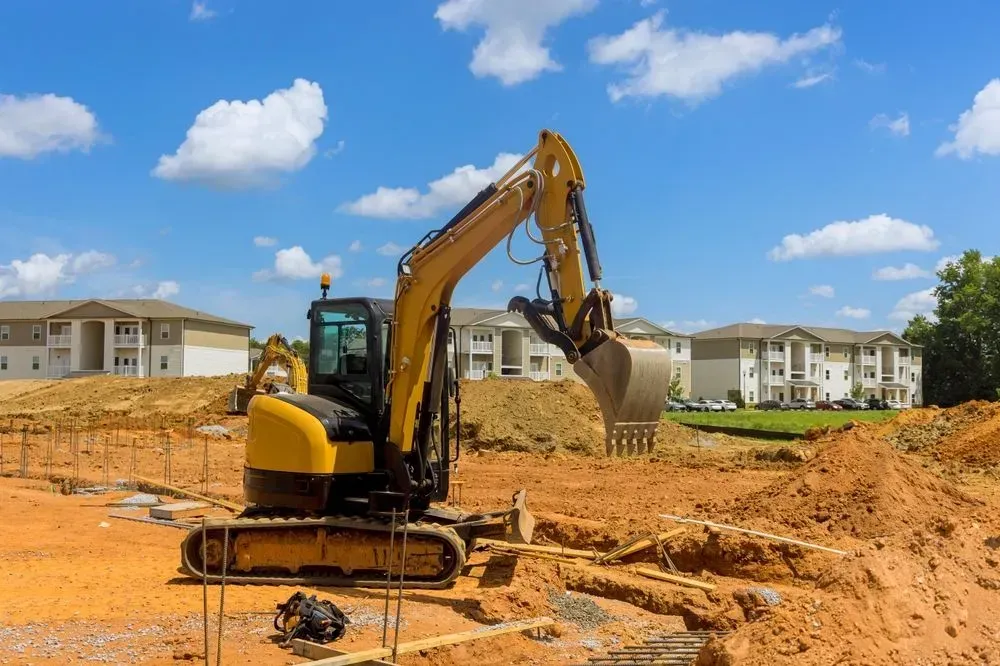
Grading and Dirt Work We Provide
From rough shaping to the final pass, each service moves soil with a purpose: steady drainage, firm support for structures, and ground that stays where it belongs through every season.
01
Rough Grading
Rough grading sets the overall shape of a site by cutting high ground and filling low areas. This first pass establishes elevations, drainage direction, and pad height, giving later work an accurate starting point instead of guesswork on uneven land.
02
Finish Grading
Finish grading refines the surface after rough work and construction, smoothing contours and confirming slopes around buildings. A careful final pass removes small dips and ridges where water would otherwise pond, leaving ground ready for seed, sod, or gravel.
03
Building Pad Construction
A pad raises and levels the ground where a pole barn, shop, or garage will stand. Built from compacted fill at the correct elevation, it keeps the structure above surrounding grade and provides a stable, even base for columns or a slab.
04
Drainage Swales
A swale is a shallow, gently sloped channel that guides runoff around buildings and toward a safe outlet. Shaped correctly, it moves water quietly across the property without creating erosion, standing puddles, or deep ruts that complicate mowing and equipment travel.
05
Backfill Around Foundations
Soil placed against foundation walls must be added in layers and compacted, then sloped away from the structure. Proper backfill reduces settling next to the building, protects walls from pooling water, and keeps the finished grade from sinking later.
06
Fill Placement and Compaction
Low areas are brought up with fill dirt spread in thin lifts and compacted one layer at a time. Compacting each lift before adding the next prevents the gradual settling that cracks slabs, tilts posts, and creates new puddles over time.
TESTIMONIALS
What Our Customers Say
Sherrie T.
Brandon and his crew did an excellent job building onto an existing building for us. Hard working crew. Quality workmanship! Definitely would recommend him! Always returns a phone call or a text message in a timely manner.
River B.
I always enjoy working with Brandon and his crew! His attention to detail, work ethic, and personable attitude makes for an all around great experience! Seeing his pole barns from start to finish, I can't recommend him enough!
James C.
Brandon built a lean-to on my shop for me. He did a fabulous job I would recommend him and use him again. In fact he is doing an addition to my daughter and son-in-laws house right now.
Randi M.
It was a big job, multiple projects and buildings, that took 8 months to complete. I highly recommended Arnsmeyer. Excellent work, and communication every step of the way. This crew went above and beyond.
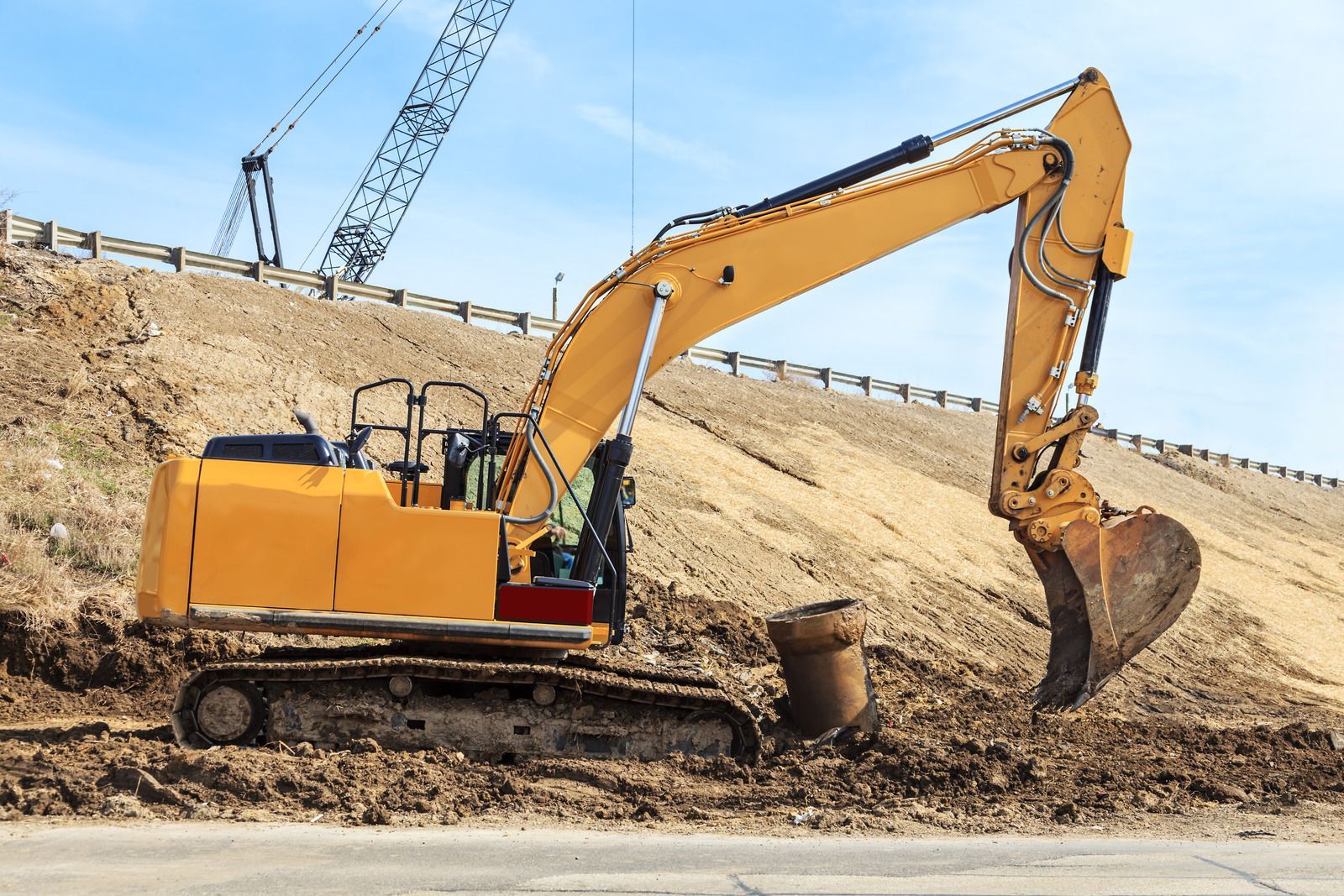
Why Getting the Grade Right Pays Off
Grading rarely gets noticed when it is done well, yet it protects nearly everything built on top of it. These are the payoffs property owners see for years after the machines leave the site.
01
Water Moves Away From Buildings
Correct slopes carry rain away from walls, doors, and columns instead of letting it soak in around them. Drier ground at the base of a structure means less rot, less rust, and fewer moisture problems showing up inside later.
02
Stable Ground Under Structures
Compacted soil at the right elevation supports weight evenly, so posts stay plumb and slabs stay level. That stability protects your investment in the building above and helps doors, framing, and metal panels stay properly aligned for many years to come.
03
Fewer Puddles and Soft Spots
Standing water kills grass, breeds mosquitoes, and turns walking paths into mud. Smoothing low areas and giving runoff a clear route keeps the yard usable after storms and makes daily chores far more pleasant during the wettest months of spring.
04
Longer-Lasting Driveways
A driveway built on well-graded ground drains quickly and keeps its base dry. Water that cannot sit under gravel or stone is water that cannot soften the subgrade, which means fewer potholes, ruts, and costly repairs down the road.
05
Less Erosion
Uncontrolled runoff carries topsoil downhill and cuts gullies into slopes. Grading that slows and directs water keeps soil in place, protects fences and outbuildings on lower ground, and preserves the usable, productive land you already worked hard to pay for.
06
Easier Mowing and Access
Smooth, gently sloped ground is safer and simpler to mow, drive across, and maintain. Removing abrupt dips and humps also makes it easier to move trailers, tractors, and equipment around the property without bouncing, sliding, or getting stuck.
WHO WE ARE
10 Years of Moving Dirt So Water Moves Too
Our family-owned crew has spent years clearing, grading, and building on central Missouri land, so we know how soil behaves after a heavy spring rain. We grade with the finished structure in mind, because we often build it ourselves. Every project comes with a clear scope, licensed and insured work, and a free quote. Military and first-responder discounts are available for qualifying customers. Tell us about your drainage or pad needs, and reach out through our contact page today.
Why Choose Arnsmeyer Contracting
Built on Quality & Trust
01
Competitive Pricing
Get a building that fits your needs and budget with competitive pricing and a clear understanding of the work involved. We help you make practical choices about your project while keeping quality at the forefront.
02
Quality Buildings Built to Last
Your building should serve your property for years to come. We focus on durable materials and careful construction to create barns, shops, and garages that stand up to everyday use.
03
Family Owned. Owner Operated.
Working with Arnsmeyer Contracting means direct communication with an owner who stays involved in your project. We take the time to answer your questions, discuss your priorities, and keep you informed as work progresses.
04
Efficient Work. Timely Completion.
We plan each project carefully and work efficiently to get your space ready sooner. From scheduling to construction, we keep the job moving while giving every stage the attention it deserves.
Frequently Asked Questions
What slope is needed for proper drainage around a pole barn?
A common guideline is a fall of at least 6 inches over the first 10 feet away from the building. Hard or compacted surfaces nearby should carry roughly a 2 percent slope, about a quarter inch per foot, so water keeps moving.
How do you prevent the ground from settling after grading?
Fill dirt is spread in thin layers, and each layer is compacted before the next one goes down. Building up the ground gradually like this removes air pockets that would otherwise collapse later under the weight of structures or vehicles.
What happens to extra dirt after grading?
Excess soil can often be spread elsewhere on the property to fill low spots or build up a pad. When there is no good place for it, the extra material is loaded and hauled offsite so it does not create new drainage problems.
What is the difference between rough grading and finish grading?
Rough grading sets the major elevations and drainage direction by moving large amounts of soil. Finish grading happens later and refines the surface with smaller adjustments, preparing the ground for seed, sod, gravel, or other final coverings once construction is complete.
Why is topsoil removed before building a pad?
Topsoil is rich in organic matter that compresses and holds water, so it cannot properly support a structure. Stripping it first lets the pad be built on firmer subsoil, and the saved topsoil can later dress the finished areas around the building.
Can grading be done in wet weather?
Grading works best when soil is moist but not saturated. Wet clay smears, will not compact properly, and ruts under equipment, so waiting for a few dry days after a heavy rain usually produces a firmer, longer-lasting result for the whole site.
What makes a good building pad?
A good pad sits slightly above the surrounding ground, uses fill compacted in layers, and slopes gently outward on every side. Arnsmeyer Contracting builds pads across Hermann, MO, to that standard, so barns, shops, and garages start on firm, dry ground.
Can grading fix water pooling near my barn or shop?
Often, yes. With 10 years of hands-on experience around Hermann, MO, Arnsmeyer Contracting reshapes the surrounding ground so it slopes away from the walls and gives runoff a clear path, which usually stops water from collecting there after storms.
Shape Your Land So It Works With The Weather Instead Of Against It
Every rainstorm tests how well a property was graded, and the results show up in puddles, soft ground, and water creeping toward buildings. Arnsmeyer Contracting grades land across Hermann, MO, so runoff has a clear path and the soil under your structures stays firm and dry. Whether you need a new building pad, a corrected slope, or compacted backfill, the goal stays the same: ground that quietly does its job season after season. Take note of where water collects on your property after the next rain, then share what you see with us. Visit our contact page or request a free quote to plan your grading project.